





PICO sNPWT is different
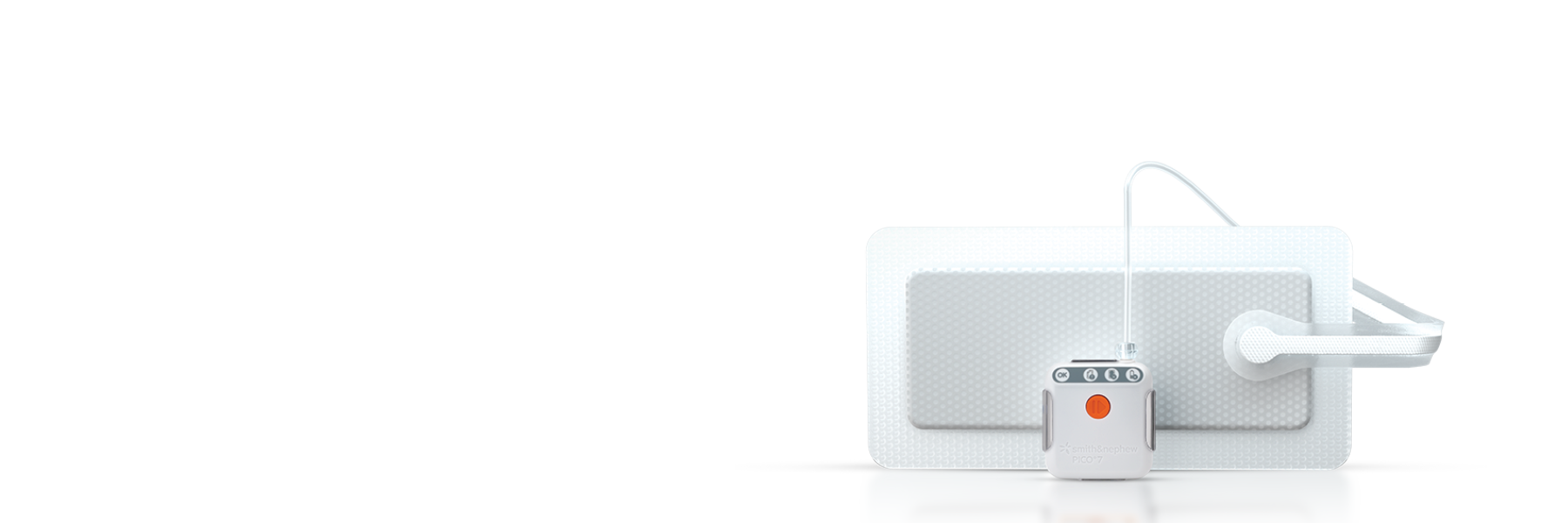
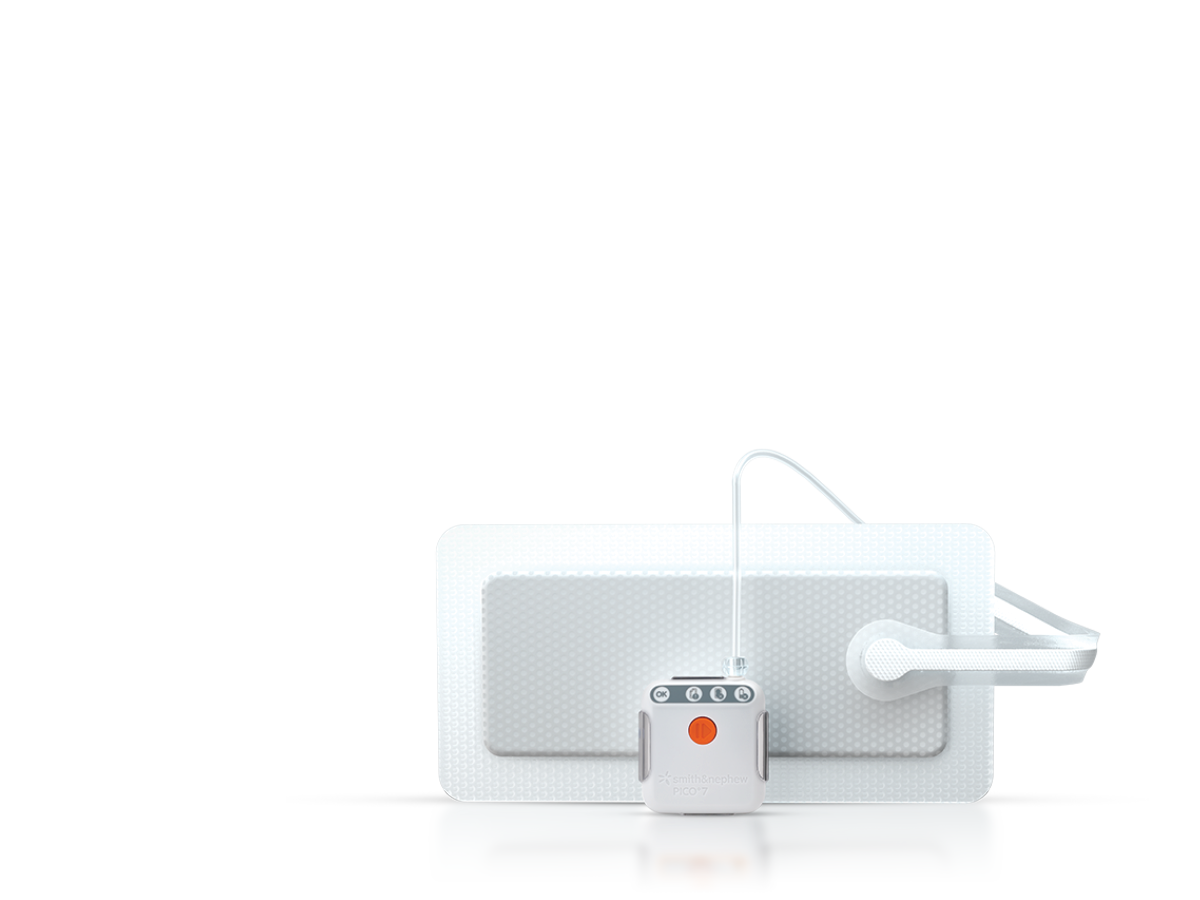
With many NPWT options that look alike and appear to offer similar functionality, it might be easy to assume that they are the same. However, over different scenarios and applications, the PICO Single Use Negative Pressure Wound Therapy System has been shown to be distinctly different in both clinical performance and design features. From wider zone pressure delivery* with AIRLOCK◊ Technology,1-3 to canister-free exudate management4 through a high evaporation dressing,5 let’s examine the truth behind what NPWT should truly offer.
*Compared to tNPWT transmitting into foam filler area; as demonstrated in vitro
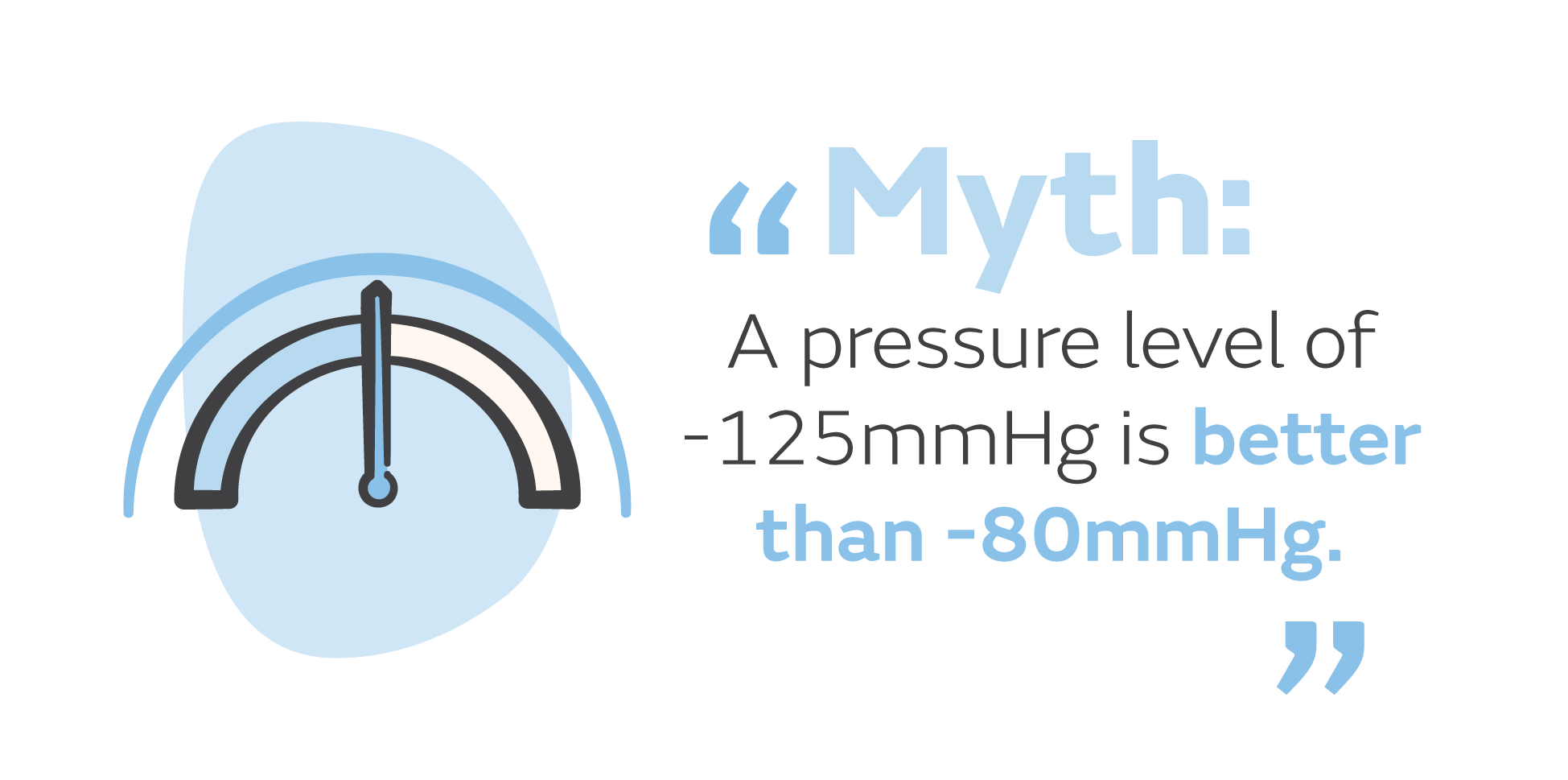
Evidence shows effective outcomes at -80mmHg2-7,8
PICO sNPWT has been shown to deliver effective outcomes in prevention of surgical site complications risks, at a nominal -80 mmHg pressure.2,3,7,8
While -125 mmHg may appear stronger, NPWT studies6,7 show that clinical outcomes are equivalent to prevent surgical site infections6 — with PICO.
This is due to PICO sNPWT's unique AIRLOCK◊ Technology, which allows the delivery of consistent negative pressure.2,6 It transmits negative pressure into both the wound and peri-wound area, not just into a localized foam filler zone like many other NPWT systems.*1-3
Experience the difference:
In closed incisions: Significantly reduce the odds of surgical site infections vs standard of care dressings.**8
*As demonstrated ex vivo
** p<0.001; meta-analysis of 19 studies (odds ration (OR): 0.37)
Smart fluid management with evaporative dressing
While most NPWT systems rely on external canisters, the PICO sNPWT system uses an innovative evaporative dressing.5,9
It combines a super absorbent core that retains 20% of wound fluid5 and locks exudate away from the incision10 with a high MVTR (Moisture Vapor Transmission Rate) top film that allows up to 80% of the fluid to evaporate5,11—ensuring a high level of fluid control without the need for a canister. In addition, PICO system minimizes the risk of maceration.7,12
With no bulky canister to manage, PICO sNPWT is easy to use,13,14 less intrusive for patients, and frees healthcare professionals from constantly thinking about the canister in addition to dressing changes—helping to enhance both workflow efficiency and patient care*7
see the technology in action
*In a study of VLU and DFU, compared to tNPWT; PICO sNPWT = ~8.5 dressing changes per patient; tNPWT = ~ 15.3 dressing changes per patient
Backed by strong evidences
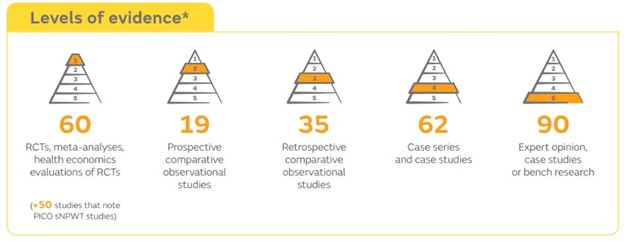
A literature search identified 316* clinical publications regarding PICO sNPWT (166 unique studies).16
Try it with your patients and experience the difference in wound outcomes.
A unique feature to promote patient comfort
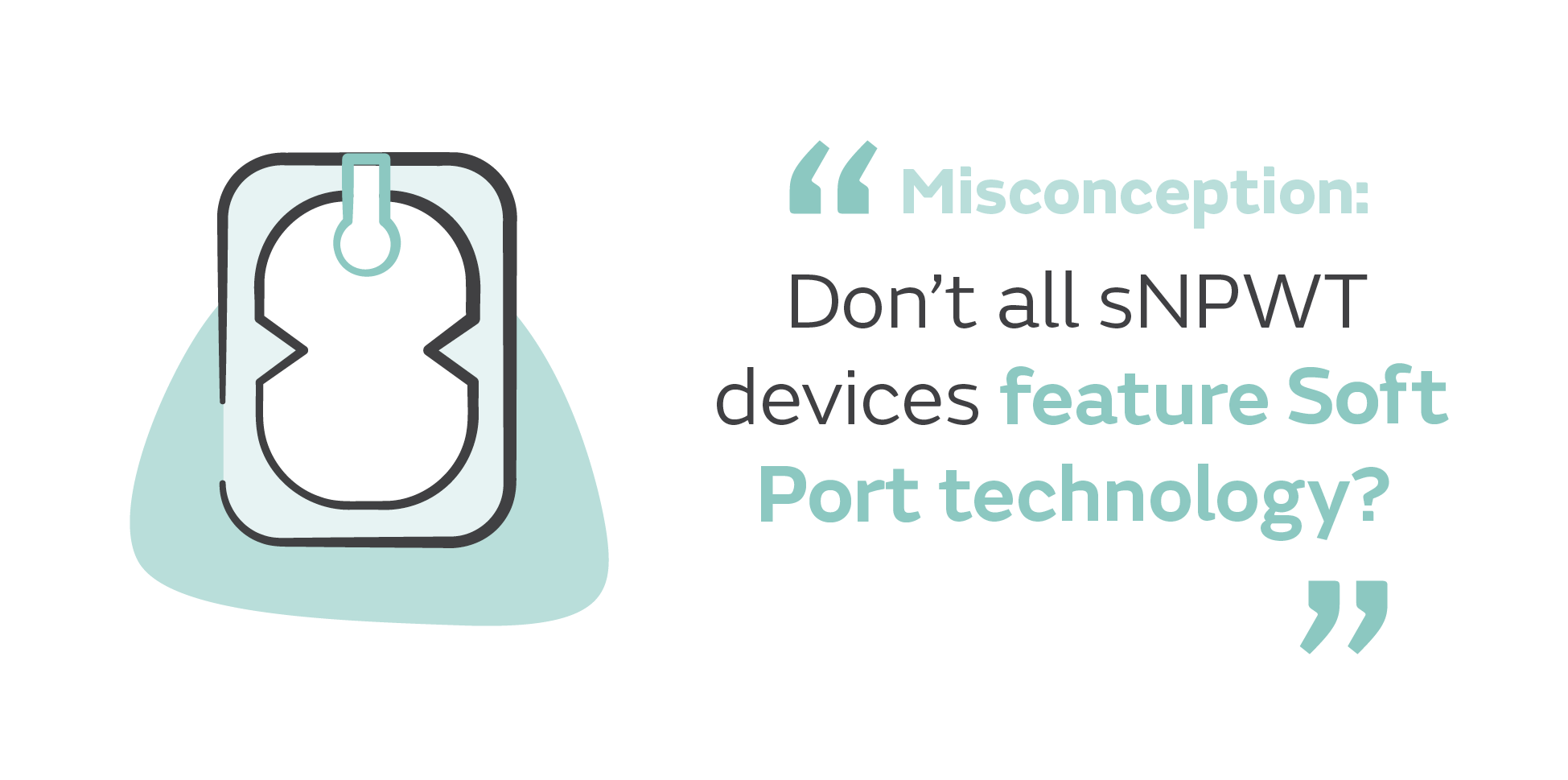
If you think all sNPWT devices feature a soft port, you’d be mistaken. We specifically developed our Soft Port◊ technology with a flexible port and dressing design to minimize the risk of localized pressure points. By eliminating these common sources of discomfort, PICO sNPWT delivers a superior patient experience.
Focus on the value of clinical outcomes
With increasingly tight budgets, it’s easy to focus on the price of solutions alone. However, when you consider the overall value and effectiveness of therapy, PICO sNPWT can demonstrate efficiency and effectiveness; supported by robust clinical and economic evidence over 10 years of experience.8,17,18
Ready to experience the difference PICO sNPWT can make on your budget? Ask us about Business Impact Model to see the potential savings in action.
- Smith & Nephew 2019.PICO Biomechanical Study. Internal Report. DS/19/211/R.
- Casey C. Consistent delivery of therapeutic negative pressure levels by a single use negative pressure wound therapy system (sNPWT)* in a wound model. Paper presented at: EWMA; 2019; Gothenburg, Sweden.
- Smith+Nephew 2021.PICO™ Pressure Mapping Study. Internal Report. DS/19/211/R - Part B.
- Smith+Nephew November 2018.The Review Of Evidence Supporting The Use Of PICO In Wounds ≥2cm In Depth. Internal Report. EO.AWM.PCS230.001.v2.
- Malmsjö M, Huddleston E, Martin R. Biological Effects of a Disposable, Canisterless Negative Pressure Wound Therapy System. ePlasty. 2014;14:1 – 15
- Groenen H, Jalalzadeh H, Buis DR, et al. eClinicalMedicine (part of the Lancet group). 2023;62;102105
- Kirsner R, Dove C, Reyzelman A, Vayser D, Jaimes H. A Prospective, Randomised, Controlled Clinical Trial on the Efficacy of a single-use Negative Pressure Wound Therapy System, compared to Traditional Negative Pressure Wound Therapy in the Treatment of Chronic Ulcers of the Lower Extremities. Wound Repair Regen. 2019;27(5):519 - 529.
- Saunders C, Nherera LM, Horner A, Trueman P. Single-Use negative-pressure wound therapy versus conventional dressings for closed surgical incisions: systematic literature review and meta- analysis. BJS Open. 2021;0(0):1 - 8
- Smith+Nephew Data on file reference DS/15/014/R2– Calculation of the theoretical fluid management of the PICO dressings. S Daragh September 2015
- Smith+Nephew July 2018.PICO 7Y Non-NPWT Wound Model Summary. Internal Report. DS.18.260.R.
- Smith+Nephew 2018.Summary of rountine QA testing on MVP of PICO dressings. 2018. Internal Report. DS/18/153/R
- Hudson DA, Adams KG, Van Huyssteen A, Martin R, Huddleston EM. Simplified negative pressure wound therapy: clinical evaluation of an ultraportable, nocanister system. Int Wound J. 2015;12(2):195-201
- Tanaydin V, Beugels J, Andriessen A, Sawor JH, Van Der Hulst R. Randomized Controlled Study Comparing Disposable Negative-Pressure Wound Therapy with Standard Care in Bilateral Breast Reduction Mammoplasty Evaluating Surgical Site Complications and Scar Quality. Aesthetic Plast Surg. 2018;42(4):927-935.
- Hurd T, Trueman P, Rossington A. Use of a Portable, Single-use Negative Pressure Wound Therapy Device in Home Care Patients with Low to Moderately Exuding Wounds: A Case Series. Ostomy Wound Manage. 2014;60(3):30-36.
- Smith+Nephew January 2019.Air Leak Tolerance Report: A comparison of PICO v2 (PICO 7 and PICO 14) Devices to PICO vl.6 (PlCO) Devices. Internal Report. RD/19/006.
- Evidence analysis report; EA/AWM/PICO/030/v3
- Bashyal RK, Searle R, Nherera LM, Wright A. Effects of single-use negative pressure wound therapy on healthcare use: US analysis of a large claims database. J Wound Care. 2025;34(8):555–562.
- Smith+Nephew 2021.A Prospective, Randomized, Comparative Effectiveness Study of a Single-Use, Negative Pressure Wound Therapy System (PICO™) versus a Traditional Negative Pressure Wound Therapy System (tNPWT) in the Treatment of Lower Extremity Ulcers- Dressing Application. Internal Statement. EO.AWM.PCS261.004.v1.