





Leave nothing to chance
When examining the problem of surgical site complications (SSCs), such as SSIs and dehiscence, prevalence rates and costs to healthcare systems highlight potential shortfalls in conventional incision management solutions.
Current challenges are unlikely to change if left to chance, so discover the evidence-based case for using PICO sNPWT as an integral part of your standard care protocol.
Don’t let your patient become part of the statistics
Not every procedure will result in a SSC…but all SSCs will have an effect on resources, costs and patient wellbeing. Data from the US highlights the scale of the problem each year; reinforcing a need to reshape post-operative incision care. Flip the cards to reveal the problem.


In any given year, data suggests healthcare systems have to deal with half a million SSIs,1 constituting 19.5% of all readmissions2 and costing 8,000 lives.1 Furthermore, an estimated $13.1 billion of Medicare funding is spent on non-healing or infected surgical wounds.3
Consider how SSCs disrupt your workloads, budgets and patients…then explore how the introduction of PICO sNPWT could made a substantial difference.
Any procedure can result in a surgical site complication
Once SSCs develop, the costs, delays and impact on patients’ quality of life might be unavoidable. Go from reactive treatment to proactive prevention across a broad range of indications and leave nothing to chance with PICO sNPWT.


Discover PICO sNPWT
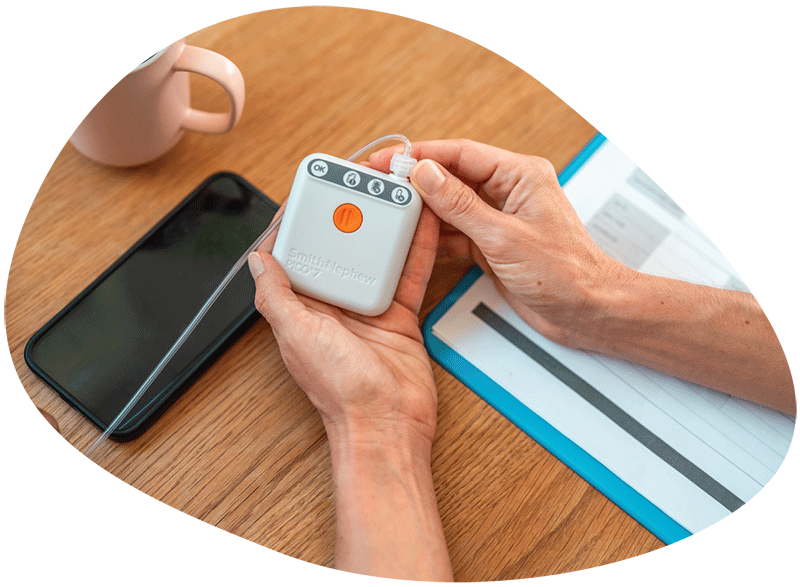
A unique four-layer, absorbent wound dressing11 connects to a lightweight, portable pump with visual alerts for air leaks, low battery and dressing changes.
- Developed to be pocket-sized and convenient, without the need for an exudate canister, so patients have a greater sense of freedom while undergoing NPWT.
- Suitable for safe and effective use in outpatient settings as it is easy to apply and remove10,11
- Can be used with fillers on deep wounds and is compatible with compression therapy or adjuvant pressure garment therapy (PGT), such as hosiery or elastic garments following surgery


The PICO System's mode of action
Need copy
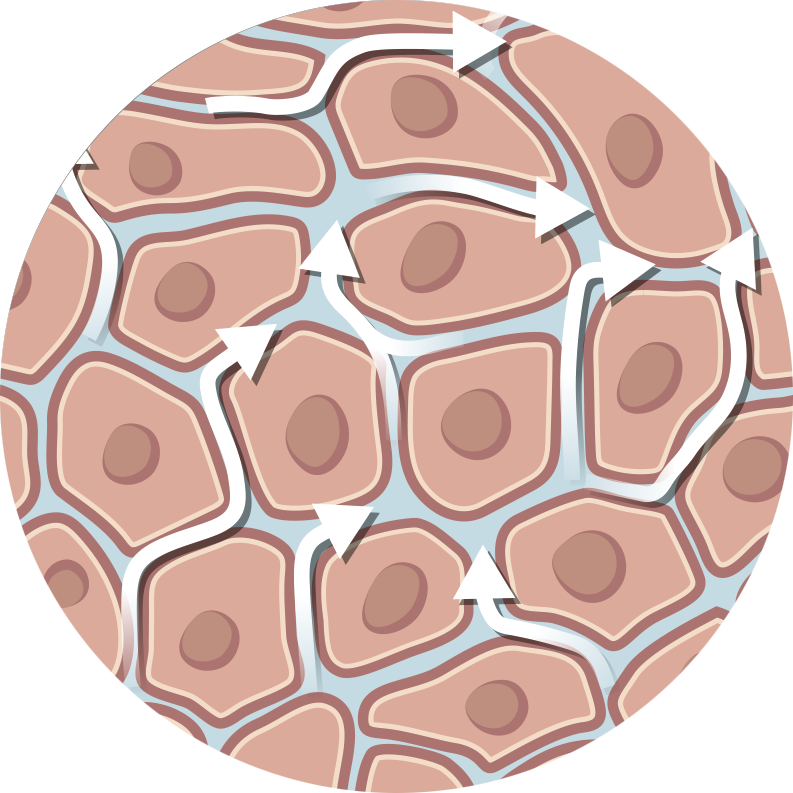
Reduces edema
Shown to reduce the build-up of interstitial fluid and minimize compression of blood vessels, improving the functionality of damages lymph vessels and increasing the efficiency of functional lymph vessels, helping to reduce edema.20
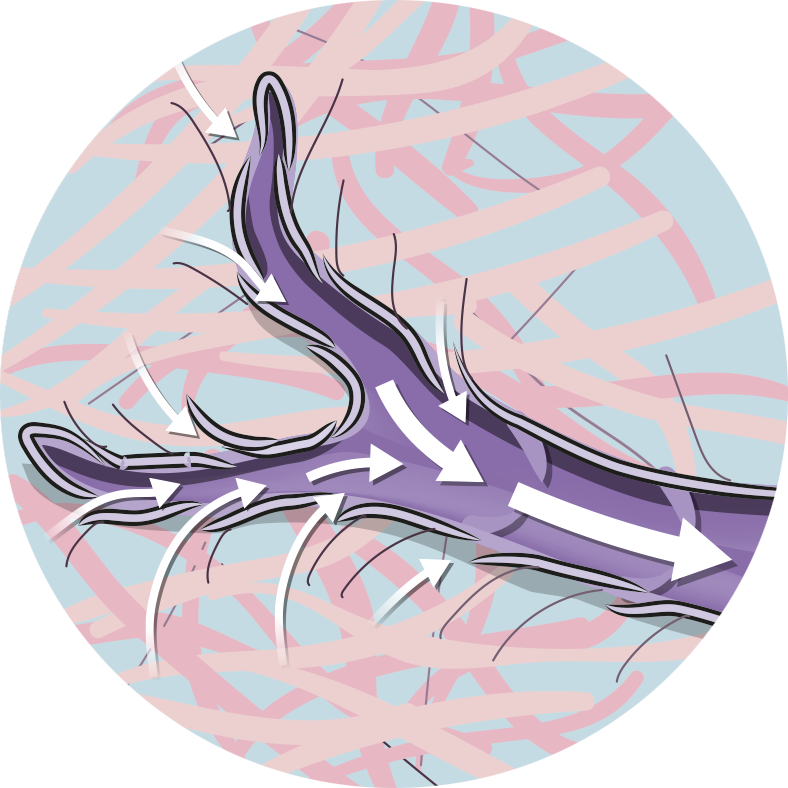
Promotes lymphatic drainage
Compresses the peri-wound to remove fluid from the wound bed, shown in vivo to contribute to increased activity in the lymphatic system.20
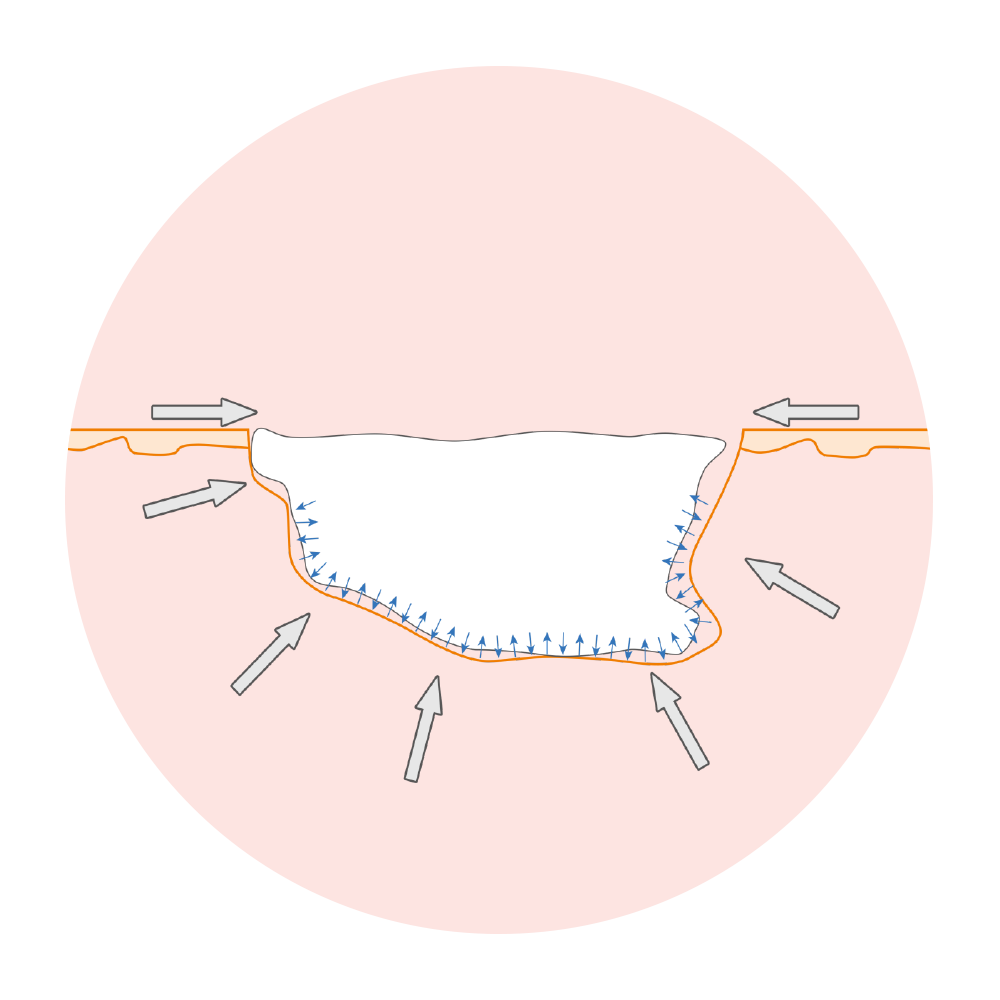
Micro deformation
Shown to reduce the build-up of interstitial fluid and minimize compression of blood vessels, improving the functionality of damages lymph vessels and increasing the efficiency of functional lymph vessels, helping to reduce edema.20
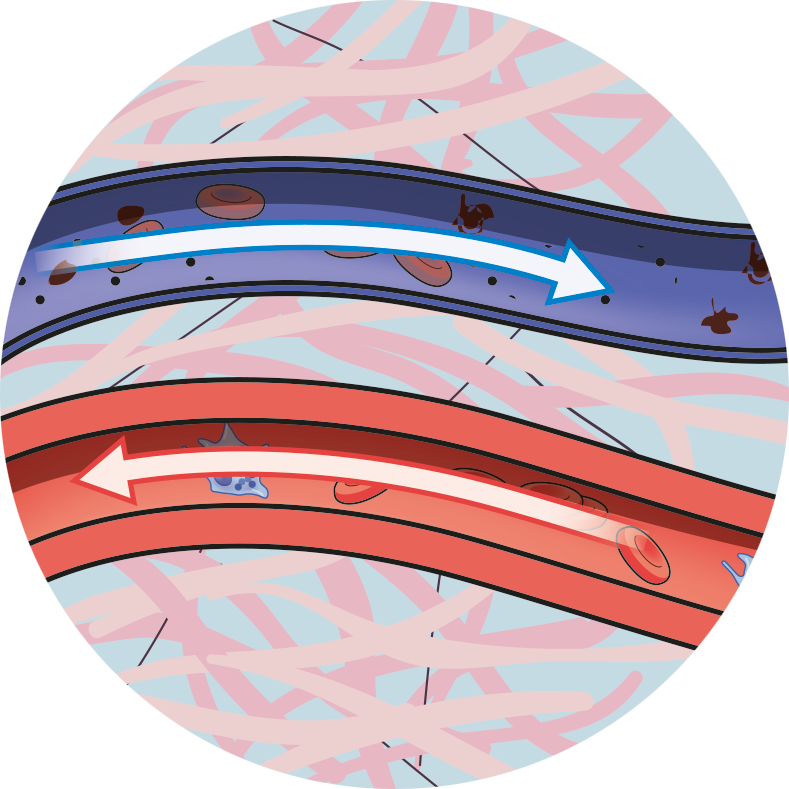
Improves blood flow
Shown to reduce the build-up of interstitial fluid and minimize compression of blood vessels, improving the functionality of damages lymph vessels and increasing the efficiency of functional lymph vessels, helping to reduce edema.20
Clinical evidence
As the burden of SSCs increases, clinical data continues to reinforce how using PICO sNPWT on suitable patients can have a profound influence on outcomes when compared to standard care.

Confidence in evidence
A systematic literature review and industry meta-analysis of 5,614 patients and 29 studies across all surgical specialties supports the use of incisional NPWT.36
33% SSI reduction
The same meta-analysis showed that a third of SSIs were prevented across all surgical specialties.36
Success with -80mmHg
Results of another meta-analysis confirmed that there was no significant difference between -80mmHg and -125mmHg of negative pressure.37
How do patients feel about sNPWT?
Laura understands the devastation of a surgical site complication after Caesarean section surgery, including the disruption to mother and baby bonding. Listen to Laura’s experience with PICO sNPWT as a powerful example how it helps protect time to bond.
Why are surgeons using sNPWT?
TBD